
A Decade of Change for Bromley FC
The 1980s were a key era for Bromley FC, a time when the club transformed not only its competitive approach but also its identity within the footballing community. Nestled in the heart of London, Bromley has always had a rich history, but it was during this decade that the Ravens began to spread their wings, moving towards a more ambitious vision that would eventually pay dividends in the years to come.
In the early 1980s, Bromley faced challenges that were not uncommon for clubs at their level. They fluctuated between the non-league and semi-professional tiers of English football, struggling to find consistency. However, a series of strategic decisions led to a revitalization of the club's fortunes. The appointment of a new management team, coupled with fresh investment in youth development and scouting, began to bear fruit.
One of the standout moments of this decade came in 1985 when Bromley made a significant investment in their youth academy. This initiative was spearheaded by a group of dedicated volunteers and coaches who recognized the potential of local talent. The club's commitment to nurturing young players not only provided a steady stream of talent that could be integrated into the first team but also fostered a deep sense of community and belonging among supporters. As a result, several homegrown players emerged to become key figures in the squad, raising the team's performance on the pitch.
The 1980s also witnessed Bromley making a name for themselves in the FA Trophy. The Ravens had a number of deep runs in the tournament, capturing the attention of fans and pundits alike. These cup exploits were not only about winning games; they cultivated a culture of resilience and determination within the squad. Each victory was celebrated, and the team quickly became known for their fighting spirit, which endeared them to the local fanbase.
A significant highlight came in the 1989-90 season when Bromley reached the first round of the FA Cup, a milestone that had been elusive for many years. Although they faced tough opposition, the determination displayed on the pitch was a sign of the hard work put in by everyone associated with the club. This performance not only raised the profile of Bromley FC but also ignited a renewed passion among supporters, who rallied behind the team in greater numbers.
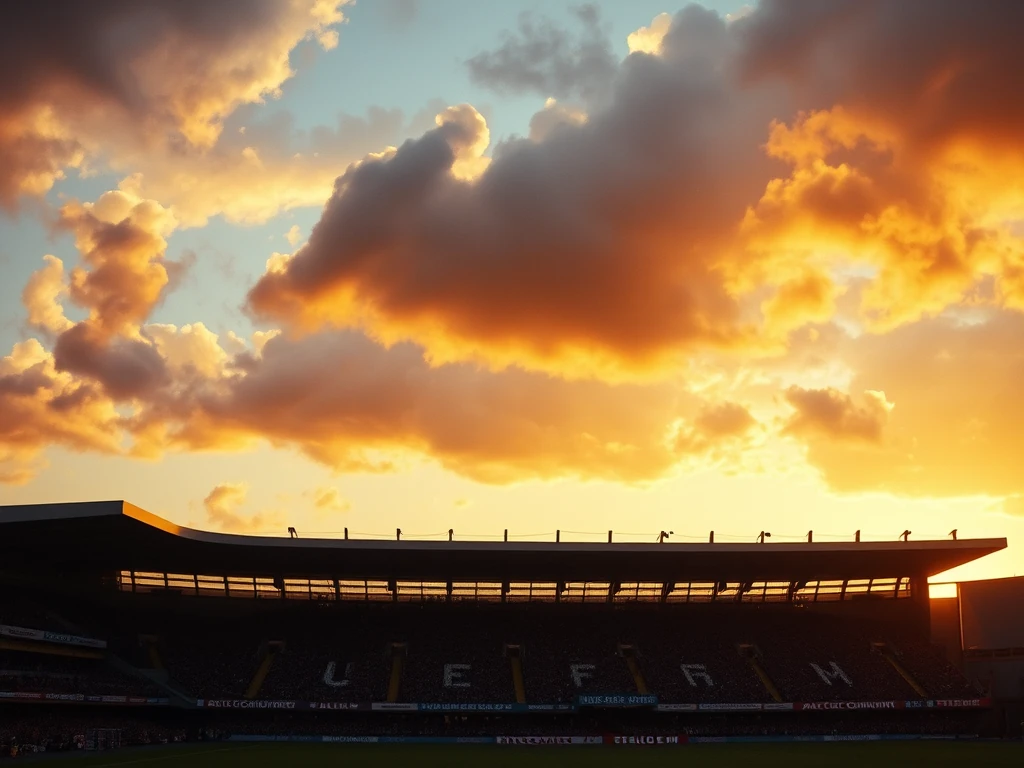
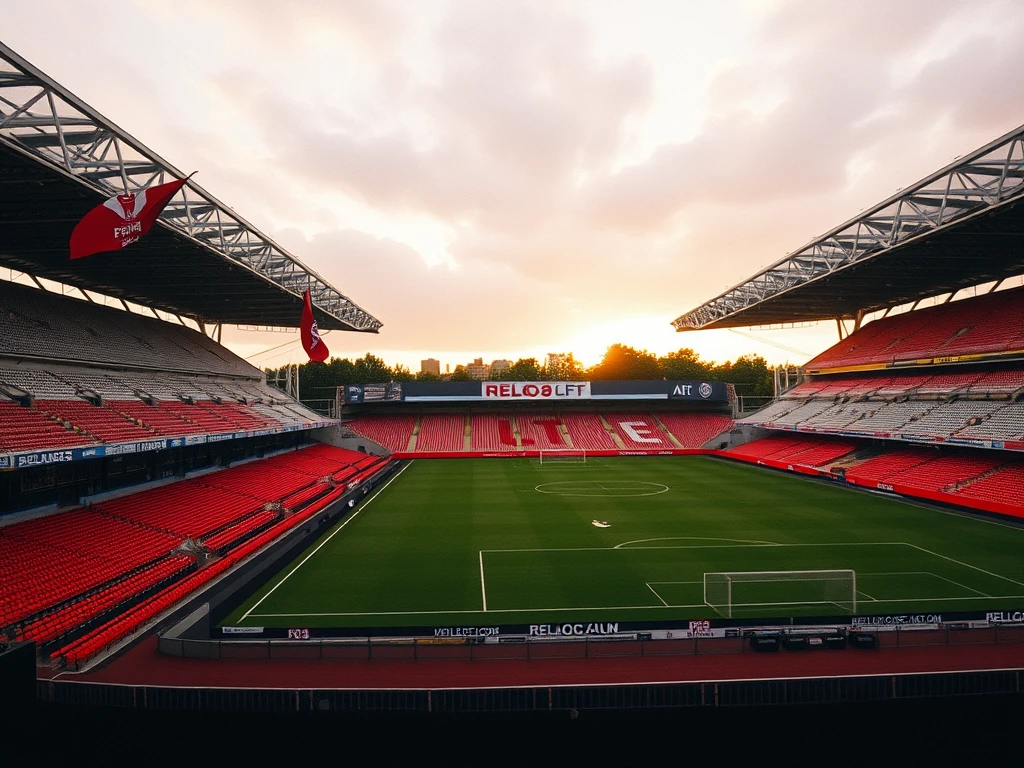
Additionally, the decade saw improvements to the club's facilities, with renovations at the then-named Hayes Lane stadium enhancing the matchday experience for fans. The increased capacity and improved facilities made it easier for loyal supporters to enjoy the game and welcome new fans into the fold. As the club transitioned through these changes, the Ravens began to cultivate an atmosphere that was both inviting and electrifying, setting the stage for future successes.
The groundwork laid in the 1980s proved key for Bromley's long-term ambitions. By the end of the decade, the Ravens had firmly established themselves as a competitive force in non-league football, with a promising generation of players ready to take the club to new heights. The community spirit, coupled with a renewed sense of purpose, meant that Bromley FC was no longer just a local team; they were a club on the rise, ready to take on the challenges of the future.
As we reflect on this major decade, it becomes clear that the 1980s were not only about results on the pitch. They represented a period of evolution for Bromley FC, where strategic vision, community involvement, and a commitment to youth development laid the foundation for the club's future successes. The legacy of this era is still felt today, as Bromley continues to build on the principles established by those who fought tirelessly to raise the club. The Ravens' journey is a sign of the power of perseverance and vision, reminding us all that great things can emerge from humble beginnings.