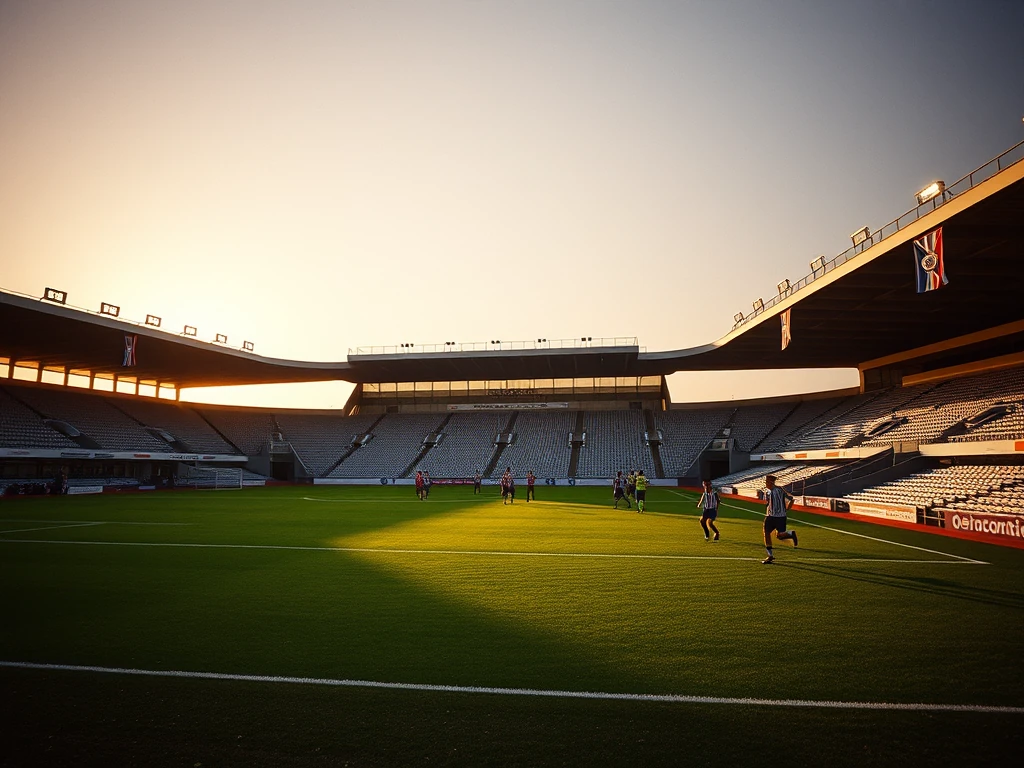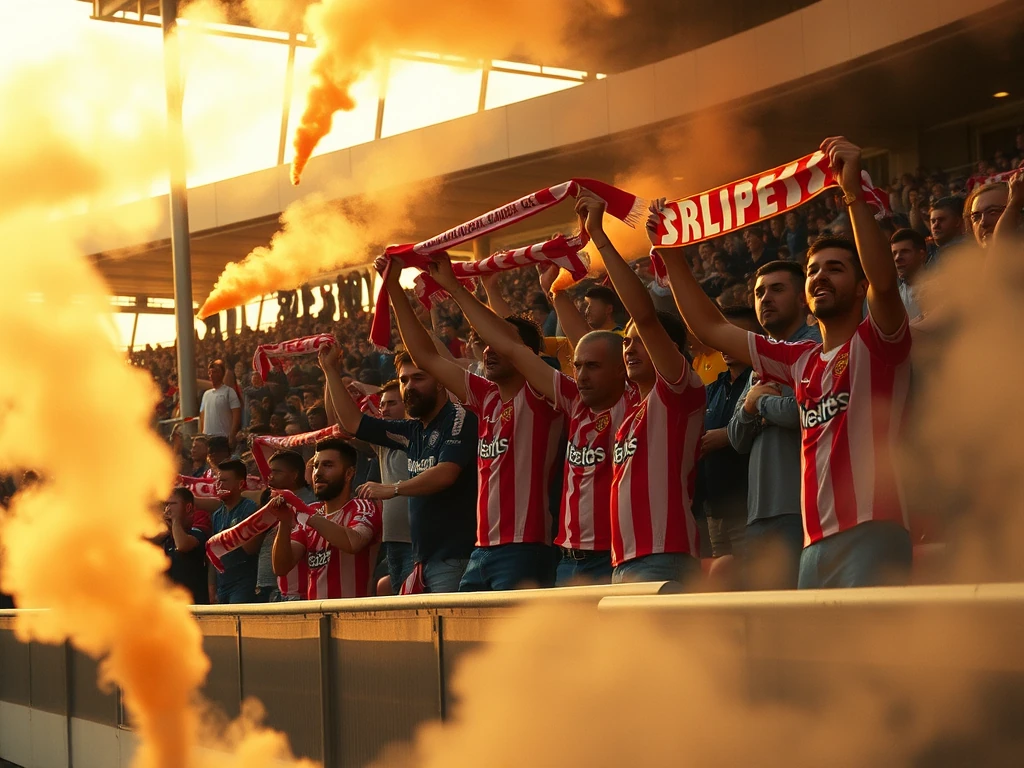

The 1980s were a transformative period for Bromley FC, a time when the club transitioned from the lower echelons of non-league football into a more competitive and ambitious era. Following a challenging stint in the late 1970s, where the Ravens struggled to find their footing, the club began to steadily rebuild, instilling a sense of hope and determination among fans and players alike.
One of the most notable moments came in 1980 when Bromley secured promotion to the Southern Football League. This achievement was a significant milestone, as it marked the club’s first step toward re-establishing itself as a force in English football. Under the management of the ever-ambitious Alan Skirton, the team played with a newfound vigor, attracting local talent and rekindling the passion of supporters who had longed for successful days.
The club's resurgence was not merely about promotion; it was about creating a culture of winning and ambition that resonated both on and off the pitch. The Ravens began to draw crowds to Hayes Lane, the club's home ground, as fans united under the shared dream of seeing Bromley rise through the ranks. The local community responded, filling the stands week after week, creating an electric atmosphere that propelled the players to perform at their best.
In 1985, Bromley reached the FA Trophy semi-finals, marking a high point in the club’s history during that decade. Although they ultimately fell short of the final, the journey was celebrated across the club and showcased the team’s potential. Matches during this cup run were memorable, as the Ravens showed resilience and skill against higher-ranked opposition, igniting a sense of pride in the fanbase.
This adventurous spirit was evident in Bromley’s cup performances, where they often punched above their weight, challenging teams from the Football League. The thrilling encounters against clubs like Woking and Scarborough cemented Bromley’s reputation as a giant-killer, showcasing the talent that resided within the squad and the undying support from the stands.
The camaraderie developed during this time became the backbone of the club's identity. Players and fans shared in the highs and lows, creating a bond that would last through generations. The likes of Paul McCarthy and Keith O'Hara became club legends, not just for their performances on the pitch but for their roles in inspiring the next wave of Ravens supporters.
As the decade progressed, the Ravens faced challenges, including fluctuating league positions and financial constraints, yet the foundation laid during the 1980s would bear fruit in the years to come. The commitment to nurturing local talent and fostering a strong community spirit began to pay dividends, as Bromley continued to build a reputation as a well-respected club in non-league circles.
By the end of the 1980s, Bromley had firmly established itself as a club with aspirations beyond the confines of non-league football. The decade served as a reminder of the club’s resilience and the unwavering support of its fans. As the Ravens look to the future, they carry with them the spirit and determination that defined this unforgettable era, ensuring that the lessons learned will continue to guide them in their quest for success.