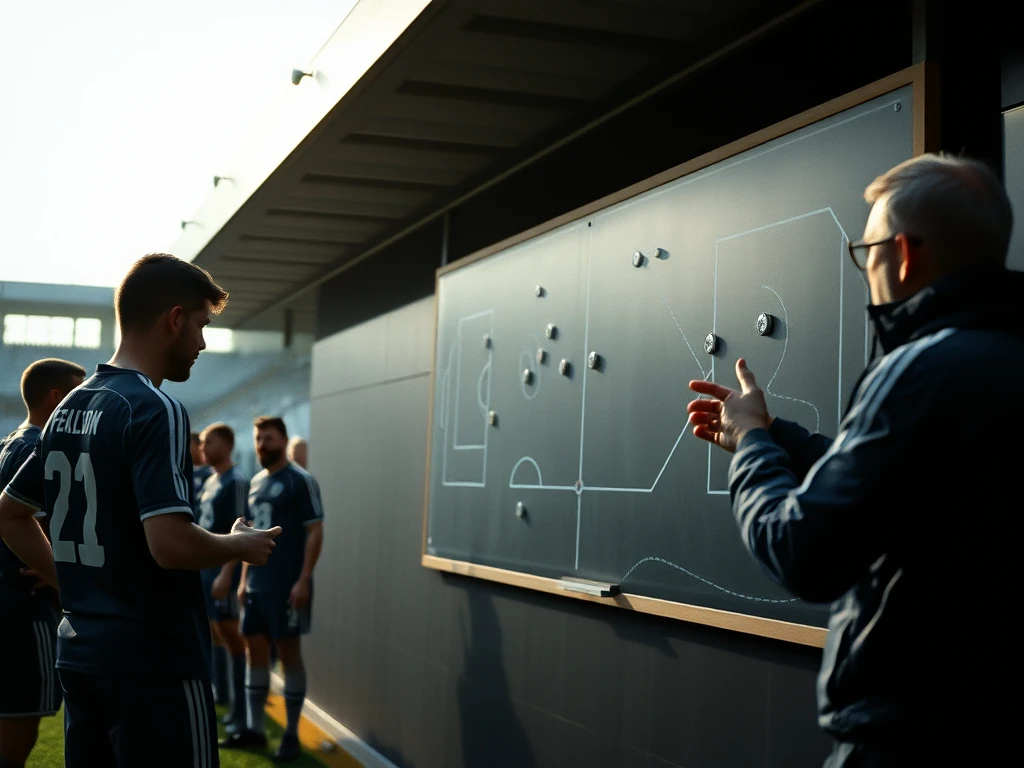

As the season heads into its second half, Bromley's tactical setup is becoming increasingly scrutinized. The Ravens' formation has shifted primarily between a 4-4-2 and a 4-2-3-1, allowing for flexibility based on the opposition. This adaptability has served them well in League Two, but how effective are these tactics in producing consistent results?
The midfield duo, featuring players like D. Ajayi and J. Arthurs, has played a crucial role in controlling games. Their ability to transition from defense to attack quickly has contributed to an increase in goal chances. In recent fixtures, the connection between the midfield and forwards has flourished; M. Cheek, as a primary attacker, has benefitted greatly from adequate service. In the last five matches, Cheek's positioning off the ball has created space for runners from midfield.
On the defensive end, the partnership of K. Cameron and J. Debrah at center-back remains pivotal. Their reading of the game helps in thwarting opposition attacks before they materialize, making it harder for teams to penetrate the Bromley backline. The combination of pace and physical presence they bring adds depth to the defensive line.
Bromley has also shown resilience when faced with adversity, often adapting their shape in response to game dynamics. This was evident in their recent match against Stockport County, where they adjusted their formation to a more compact shape after conceding an early goal. With a balanced approach between attacking flair and defensive solidity, the Ravens are poised to make a strong push for the promotion places.
while there are areas needing improvement - particularly in terms of converting chances into goals - Bromley's tactical evolution suggests they could be real contenders as the season progresses. Fans remain optimistic about what lies ahead.