The 1980s were a defining decade for Bromley FC, a period that not only showed the club's resilience but also its ambition in the face of fierce competition. While many clubs in the lower tiers of English football struggled to maintain their footing, the Ravens soared to new heights, establishing themselves as a formidable presence in the non-league scene.
One of the most notable moments of this decade occurred in the 1981-82 season when Bromley secured a historic victory in the FA Trophy. The Ravens, under the management of the astute and passionate Alan Smith, embarked on a remarkable cup run that saw them defeat a string of higher-ranked teams. Their journey culminated in a thrilling semi-final clash that captured the imagination of the local community and drew crowds to the then Hayes Lane ground. It was a sign of the skill and determination of the squad, featuring key players like striker Keith O’Hara, who would go on to become a fan favorite.
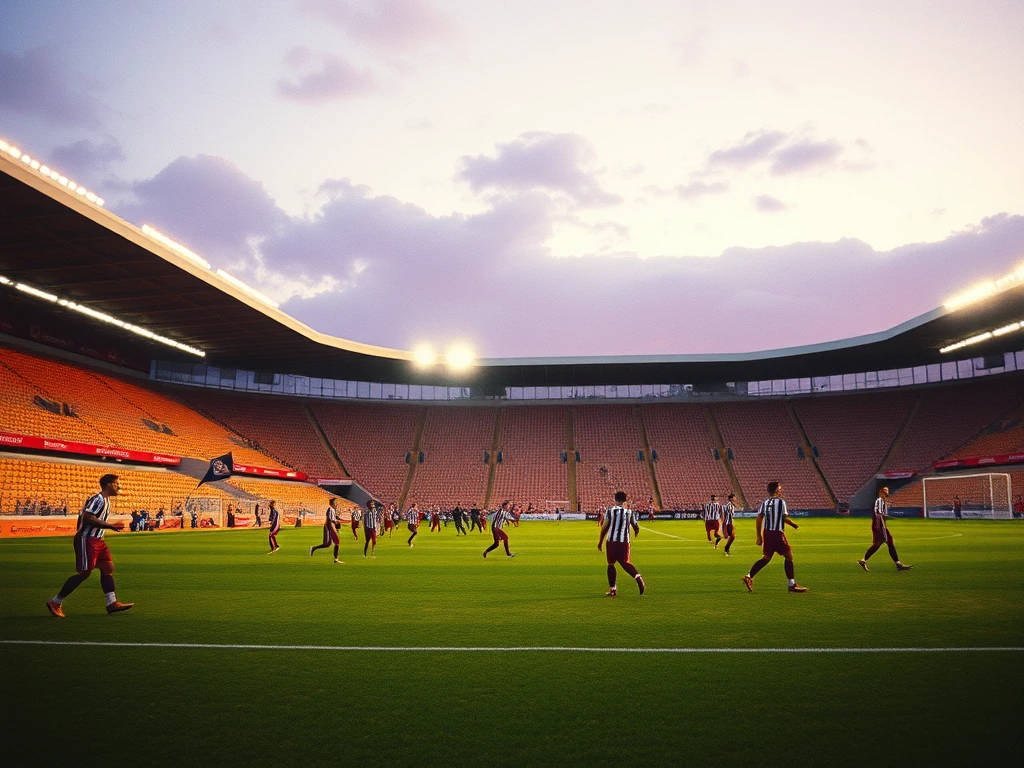
However, it wasn’t just cup competitions where Bromley made their mark. The club's league performances were equally impressive, as they consistently finished in the upper echelons of the Southern League. Fans would flock to Hayes Lane to witness the Ravens take on their rivals, with local derbies sparking electric atmospheres. The fierce competition with teams like Dartford added an extra layer of excitement, as matches often swung in favor of the team that could harness the support of its passionate fanbase.
Bromley’s success during this era can also be attributed to their ability to nurture local talent, creating a pathway for young players to thrive. This commitment to youth development not only bolstered the first team but also instilled a sense of pride within the club. The community rallied around these homegrown talents, and match days felt like a celebration of local football, uniting families and friends in support of the Ravens.
As the decade progressed, Bromley continued to innovate on the pitch, blending a mix of experienced players and emerging stars. The club's style became synonymous with attacking football, as they sought to entertain their loyal supporters. This approach resonated with fans who cherished the flair and dynamism displayed by the Ravens, helping to cement Bromley’s reputation as one of the most exciting teams in the league.
In addition to their on-field successes, the 1980s were also a time of transformation for the club off the pitch. Bromley FC embraced the importance of community engagement and outreach, establishing initiatives that connected the club with its supporters. This commitment to the community fostered a sense of belonging, with fans feeling like an integral part of the club’s journey.
As we reflect on the impact of this remarkable decade, it is clear that the 1980s set the foundation for Bromley FC’s future. The achievements of the Ravens during this time not only showed their talent and determination but also highlighted the strength of the bond between the club and its supporters. Today, as Bromley competes in League Two, the echoes of the past continue to inspire and motivate the current generation of players and fans alike. The legacy of the 1980s serves as a reminder of what can be achieved through teamwork, passion, and an unwavering commitment to the beautiful game.